









Unveiling the Terrors: An Introduction to Escape from Wormwood
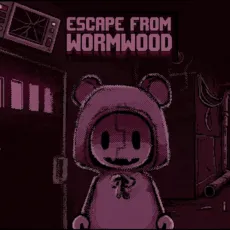
In the burgeoning landscape of independent horror games, few titles have managed to carve out a niche as chillingly unique as Escape from Wormwood. This psychological horror masterpiece plunges players into a world where sanity is a luxury and every shadow hides an unspeakable dread. Set within the crumbling, forgotten halls of the titular Wormwood Asylum, the game transcends typical jump-scare tactics, instead weaving a tapestry of atmospheric tension and existential terror that lingers long after the credits roll.
The premise of Escape from Wormwood is deceptively simple: players wake as a memory-wiped patient, tasked with uncovering the asylum's dark truths and escaping its relentless pursuit. But the path to freedom is paved with horrifying revelations and relentless pursuit. The game's narrative prowess is immediately evident, drawing players into a deeply unsettling lore that explores themes of madness, abandonment, and the fragile nature of reality itself.
The Atmosphere of Escape from Wormwood
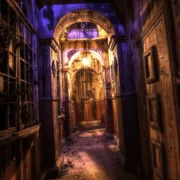
What truly sets Escape from Wormwood apart is its meticulously crafted environment. Every creak, every distant whisper, every flicker of light is designed to erode the player's sense of security. The art direction is a masterclass in gothic decay, transforming the asylum from a mere setting into a character itself, breathing with malevolence. This commitment to atmospheric horror makes each step an exercise in courage.
Initial Impressions of Escape from Wormwood
From the moment you begin your journey in Escape from Wormwood, you're not just playing a game; you're living an experience. The immediate impact of its sound design and visual storytelling creates a palpable sense of unease. It’s an unforgettable foray into the darkest corners of the human psyche, solidifying its horror genre standing.
Navigating the Labyrinth: Gameplay Mechanics in Escape from Wormwood
The core gameplay loop of Escape from Wormwood masterfully blends exploration, puzzle-solving, and stealth mechanics to create a perpetually tense experience. Players are encouraged to thoroughly investigate every nook and cranny of Wormwood Asylum, as vital clues and resources are often hidden in plain sight. This meticulous exploration is key to piecing together the fragmented narrative and understanding the horrors that transpired within the institution. Avoiding overt hand-holding, players rely on wits and observation.
Puzzle Design in Escape from Wormwood
The puzzles within Escape from Wormwood are organic and cleverly integrated into the environment, eschewing contrived riddles for challenges that feel like genuine extensions of the asylum's decaying infrastructure. These aren't just arbitrary brain-teasers; they often reveal snippets of lore or necessary items for progression, making their solutions feel incredibly rewarding. The brilliance of this game lies in how these puzzles often require you to confront unsettling truths or disturbing imagery to proceed, further deepening the psychological impact.
Stealth and Survival in Escape from Wormwood
- Evasion over Confrontation: Direct combat is largely absent from Escape from Wormwood, emphasizing vulnerability and resource management. When faced with the asylum's grotesque inhabitants, stealth becomes your primary, often only, defense.
- Environmental Awareness: Utilizing shadows, hiding spots, and the soundscape is critical. Every footstep, every dropped item can alert a lurking entity, turning routine exploration into a high-stakes cat-and-mouse game within Escape from Wormwood.
- Limited Resources: Ammunition, light sources, and healing items are scarce, reinforcing the desperate struggle for survival. This scarcity forces players to make difficult decisions, prioritizing immediate safety over long-term preparation, a hallmark of Escape from Wormwood's brutal design.
This synergy of mechanics ensures every moment in Escape from Wormwood is fraught with tension, transforming the experience from a simple horror game into a demanding test of nerve and intellect.
Expert Tips for Surviving the Horrors of Escape from Wormwood
To truly conquer the psychological gauntlet that is Escape from Wormwood, a strategic mindset is paramount. This isn't a game for the faint of heart or the impatient. Survival hinges not just on quick reflexes, but on understanding the nuanced behavior of the threats you face and making the most of your limited resources. The asylum itself is your greatest enemy and, paradoxically, your greatest ally if you learn its secrets.
Mastering Stealth in Escape from Wormwood
Forget brute force; subtlety is your shield and sword in Escape from Wormwood. Observe patrol patterns, identify sound traps, and always have an escape route mentally mapped. Crouching in shadows isn't just a mechanic; it's a philosophy. The game's AI is surprisingly astute, reacting to sound and line of sight, making hasty movements a death sentence. Always conserve your light sources, using them sparingly to illuminate key areas or solve puzzles, rather than as a constant beacon, as they can attract unwanted attention in Escape from Wormwood.
Resource Management Strategies for Escape from Wormwood
- Prioritize Inventory: Every slot counts. Decide what healing items, puzzle pieces, or temporary distractions are most crucial for your current objective. Leaving behind a non-essential item might mean the difference between life and death in Escape from Wormwood.
- Conserve Battery Life: Your flashlight is a lifeline, but its battery drains. Use it in short bursts, or only when absolutely necessary to avoid being plunged into complete darkness at a critical moment. This adds another layer of dread to Escape from Wormwood.
- Understand Enemy Weaknesses: While direct combat is rare, some entities might have environmental weaknesses or be temporarily deterred by specific actions. Pay close attention to environmental clues and lore fragments for hints on how to best evade or delay your pursuers in Escape from Wormwood.
Each encounter in Escape from Wormwood is a riddle, solved through observation and patience; rushing guarantees a grim end.
The Legacy of Escape from Wormwood: Redefining Indie Horror
Escape from Wormwood isn't merely another horror game; it stands as a testament to what independent developers can achieve when creativity and a clear vision converge. It masterfully sidesteps the tropes that often plague the genre, opting for a slow-burn psychological torment that emphasizes player vulnerability and narrative depth over cheap thrills. The game's innovative approach to storytelling, where the environment itself narrates the asylum's grim history, creates an unparalleled sense of immersion.
The Narrative Genius of Escape from Wormwood
One of the most profound elements of Escape from Wormwood is its non-linear and fragmented narrative. Players uncover the story through scattered documents, chilling environmental details, and fleeting hallucinations. This active participation pieces together a horrifying mosaic mirroring the protagonist's deteriorating mental state. Ambiguity surrounding identity and experiments ensures discussions about Escape from Wormwood endure.
Why Escape from Wormwood Endures
The lasting impact of Escape from Wormwood can be attributed to several key factors:
- Uncompromising Vision: The developers never shied away from disturbing themes or challenging gameplay, resulting in a cohesive and genuinely terrifying experience. This commitment to its vision is palpable throughout the experience.
- Exceptional Sound Design: The soundscape is not just ambient; it’s an active antagonist, guiding dread and dictating player decisions. Every creak, groan, and distant shriek in Escape from Wormwood serves a purpose.
- Player Agency in Fear: By focusing on stealth and environmental interaction, the game empowers players to manage their own fear, making moments of escape or discovery incredibly impactful. This sense of agency within peril defines much of what makes Escape from Wormwood special.
Ultimately, Escape from Wormwood has cemented its place as a cult classic, proving true horror lies in what you imagine and confront within yourself.